Review Article | | Peer-Reviewed

Crop Residues Management for Sustainable Agriculture and Climate Change Mitigation

Received: 29 October 2025     Accepted: 7 November 2025     Published: 9 December 2025
Views:       Downloads:
Abstract

Agriculture contributes significantly to global greenhouse gas emissions, accounting for roughly one-eighth of total anthropogenic emissions. A major yet underutilized resource within this sector is crop residues, biomass byproducts often discarded or burned in open fields. Such practices release large amounts of carbon dioxide, methane, and nitrous oxide, degrade soil quality, and exacerbate air pollution. Conversely, sustainable crop residue management presents a critical opportunity for renewable energy generation, greenhouse gas mitigation, and rural development. This review article synthesizes existing research on the current patterns, technologies, and policy frameworks of crop residue management, with a particular focus on developing countries. It highlights the persistence of inefficient traditional practices such as open-field burning and low-efficiency household combustion, and evaluates cleaner and more efficient thermochemical (e.g., pyrolysis, gasification) and biochemical (e.g., anaerobic digestion) conversion pathways. These technologies can transform crop residues into a variety of valuable bio-products, including biofuels, syngas, biochar, biogas, and digestate, that simultaneously offset fossil fuel use and enhance soil fertility. Drawing on findings from life-cycle assessment studies, this review shows that substituting fossil fuels with crop-residue-derived energy can reduce greenhouse gas emissions by up to 50% and non-renewable energy demand by over 80%. The analysis underscores the dual benefits of crop residue utilization for climate change mitigation and sustainable rural energy access, while identifying persistent barriers such as technological inefficiency, collection logistics, soil carbon trade-offs, and inadequate policy and financial support. The review concludes that integrating sustainable crop residue management into national energy and agricultural strategies is essential for achieving low-carbon development and advancing the Sustainable Development Goals. Strengthened policy measures, promoting technological innovation, farmer education, and private-sector investment, are crucial to transforming crop residues from an environmental burden into a cornerstone of a circular bioeconomy that fosters energy security, soil restoration, and climate resilience.

Published in American Journal of Environmental and Resource Economics (Volume 10, Issue 4)
DOI 10.11648/j.ajere.20251004.13
Page(s) 137-148
Creative Commons

This is an Open Access article, distributed under the terms of the Creative Commons Attribution 4.0 International License (http://creativecommons.org/licenses/by/4.0/), which permits unrestricted use, distribution and reproduction in any medium or format, provided the original work is properly cited.

Copyright

Copyright © The Author(s), 2025. Published by Science Publishing Group

Keywords

Crop Residue Management, Greenhouse Gas Mitigation, Life Cycle Assessment.

1. Introduction
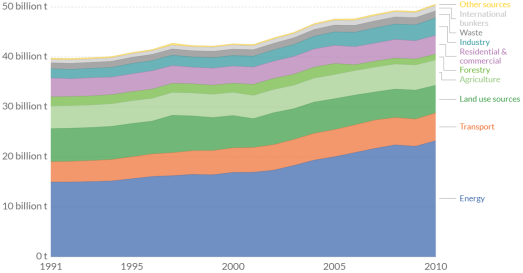
There is broad scientific consensus that human activities are altering the global climate through the release of greenhouse gases (GHGs) into the atmosphere. The share of agricultural emissions to total anthropogenic emissions remained about one eighth from 1990 to 2010 . Meanwhile, these emissions continue to rise, from 4.7 billion tons of carbon dioxide equivalents in 2001 to over 5.3 billion tons in 2011, representing a 14% increase over the decade .
The agricultural sector can reduce GHG emissions through the effective management of crop residues (CRs). It is estimated that agricultural activities produce a large number of CR every year. For example, in China, the total yield of CR was about 806.9 million tons (MT) in 2009, with an average annual yield of 716.0 MT over the past decade . Recent studies also reveal that the theoretical potential of CRs has increased to 1,001 MT per year in 2023. However, up to 20% of residues are technically collectable but not currently utilized; if fully exploited, these could generate about 108 TWh per year of power . In India, around 141 MT of crop residues are generated in 2020, of which 92 MT are burned due to inadequate management .
Currently, the burning of CRs in traditional stoves for cooking and heating remains the primary source of household energy in most developing countries, particularly in Asia and the Pacific region . Apart from this, a large portion of CRs are not utilized and are left in the fields. Farmers often choose to burn them, as it is a quick and convenient way to prepare the land for the next planting season . In Asia, field burning has become a serious concern due to its adverse environmental and health impacts. Streets et al. estimate that open burning in China accounted for nearly half of the total 250 MT CR burned in Asia in the mid-1990s. In Sub-Saharan Africa (SSA), CRs are also discarded after harvest as on-the-farm wastes, with a very low utilization . The traditional use and open-field burning of CRs not only emit significant quantities of GHGs, such as carbon dioxide, nitrous oxide, methane, and other harmful trace gases, thereby adversely affecting rural environments and the global climate, but also lead to the loss of nutrients and resources from farmland .
Through effective management, CRs can be utilized more efficiently. Bio-products such as biofuels produced from CRs can, on the one hand, serve as feedstock for heat and electricity generation or as substitutes for fossil fuels . Many studies estimate that the availability of energy from CRs will be approximately 90 EJ (1 EJ = 101⁸ J) by 2050 . Even in the most advanced countries in European Union, CRs are used only to a very small extent compared to their potential for energy production. For example, Denmark is a pioneer in the use of straw for energy production, utilizing only 17.9 PJ (1 PJ = 1015 J) of straw from an average of 44 PJ of residues available . On the other hand, bio-products such as biochar serve as an excellent carbon sink and soil amendment. Thus, the sustainable management of CRs is important for mitigating GHG emissions from the agricultural sector, as well as for advancing developmental goals such as rural development and energy security. Zhang et al. estimated that CR-based bioenergy pathways in China could reduce life-cycle GHG emissions by 60-85% compared with conventional fossil fuels . Similarly, Prateep Na Talang et al. found that in Thailand, diverting just 20% of key CRs (corn residues, rice straw, and sugarcane leaves) to biochar production instead of open burning could reduce GHG emissions by approximately 17,346 Gg carbon dioxide equivalents, representing a 31% reduction in total agricultural-sector GHG emissions and a 5% reduction relative to projected 2030 business-as-usual levels .
Source:

Download: Download full-size image

Figure 1. Greenhouse Gases Emissions by Sector. Greenhouse Gases Emissions by Sector.
Source:

Download: Download full-size image

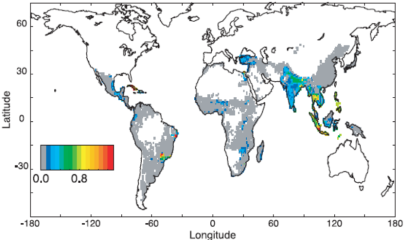
Figure 2. Burning of Crop Residues in the Field in Developing Countries. Burning of Crop Residues in the Field in Developing Countries.
This review paper synthesizes the current body of research on sustainable crop residue management and its potential contributions to climate change mitigation, renewable energy development, and rural sustainability. Specifically, it (i) examines the present patterns and challenges of CR utilization, (ii) compares thermochemical and biochemical conversion technologies and their environmental implications based on life-cycle assessment (LCA) evidence, and (iii) discusses policy measures and implementation barriers, particularly in developing countries. The review concludes that integrating sustainable CR management into national energy and agricultural policies is critical for achieving low-carbon development and advancing the Sustainable Development Goals of the 2030 Agenda.
2. Current Status of Crop Residues
As an abundant and accessible biomass resource, CRs have served as a source of fuel since humans first harnessed fire approximately 800,000 years ago . Today, CR utilization for energy encompasses both traditional applications, such as direct combustion for cooking and heating, and modern pathways, including the production of electricity, steam, and advanced biofuels. However, the use of CRs in modern applications is estimated to account for only about 15%, with the remainder still used in traditional ways .
2.1. Direct Combustion for Cooking and Heating
Biomass combustion is a process in which fuel is burned with oxygen from the air to release stored chemical energy as heat in burners. It supplies about 10-14% of the world’s total primary energy . The most common application of CR biomass energy in developing countries is as a source of heat for cooking, sometimes called traditional use . For example, in China, an average of 37.5% of CRs were used for energy between 1996 and 2003, of which 37% were used for cooking (approximately 250 MT), while only 0.5% were used for biogas production. Over the past several decades, 30-45% of household energy in rural China has come from the direct combustion of CRs. In other Southeast Asian countries, the proportion of CRs used for cooking and heating is even higher . Nevertheless, energy efficiency of the traditional stoves burning was quite low, merely 7-10% . Therefore, direct combustion of CRs not only causes a great deal of fuel waste, but serious air pollution, especially the indoors respiratory aerosols .
2.2. Field Burning
Apart from the traditional use of CRs, a large portion of CRs are not utilized and are left in the fields . Open burning of CRs is a common practice for the elimination of waste during the harvesting, post-harvesting or pre-planting periods . Sahai et al. estimated that 57, 60 and 63 MT of CRs were burnt on farms in India during the years of 2000, 2005 and 2010, respectively. In Thailand, it was estimated that 11 MT of rice straw was burnt in the field in 2003. In Philippines, 10 MT of rice straw were estimated to be burnt in 2007 . In SSA, CRs are also discarded as on-the-farm wastes, and are burnt directly . Field burning of CRs also has significant impacts on the local and regional environment, and at the same time causes soil nutrition and biomass resource loss .
3. Clean and Efficient Energy Utilization of Crop Residues
Due to growing concerns about global warming and the depletion of fossil energy sources, there is considerable worldwide interest in increasing the utilization of renewable energy resources, including CR biomass. Therefore, the need for cleaner and more efficient CR utilization is more urgent than ever. Through thermochemical and biochemical conversion technologies, CRs can be transformed into three main types of products: (1) heat and electrical energy, (2) fuels for the transport sector, and (3) other bio-based products with valuable applications. Moreover, with few exceptions, energy derived from CRs costs less than the equivalent amount of energy produced from fossil fuels .
3.1. Thermochemical Conversion Technologies
Common biomass thermochemical conversion technologies include pyrolysis and gasification, which convert CRs into heat, electricity, and solid, liquid, and gaseous products. All of these products can replace energy generated from traditional fossil fuel sources, whose combustion is estimated to emit more than 785 MT of carbon dioxide equivalents in 2010 , or be upgraded to bio-products with good application.
3.1.1. Pyrolysis
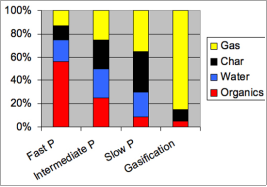
Pyrolysis is the basic thermochemical process for converting CRs to more useful products. CRs are heated in the absence of oxygen, or partially combusted in a limited oxygen supply, to produce a hydrocarbon rich gas mixture called syngas, an oil-like liquid called bio-oil and a carbon rich solid residue called bio-char . Pyrolysis produces energy fuels with high fuel-to-feed ratios, making it the most efficient process for biomass conversion, and the method most capable of competing and eventually replacing non-renewable fossil fuel resources . The conversion of biomass to energy can be having an efficiency of up to 70% for flash pyrolysis processes .
3.1.2. Gasification
The biomass gasification process converts solid biomass into a combustible gas mixture through partial oxidation at high temperatures (typically above 800°C). The resulting producer gas primarily consists of hydrogen, carbon monoxide, carbon dioxide, methane, and small quantities of higher hydrocarbons such as ethane and ethylene. The choice of oxidizing agent, air, oxygen, or steam, strongly influences the heating value and composition of the gas. Air gasification generally yields a low-calorific-value gas suitable for boilers, internal combustion engines, and turbines, while oxygen- or steam-based gasification produces a medium-calorific-value synthesis gas (syngas) that can be upgraded into liquid fuels such as methanol and gasoline.
Compared with direct combustion, gasification offers several notable advantages:(1) it operates at lower effective combustion temperatures, reducing equipment wear and extending system lifespan;(2) it achieves higher thermal efficiency and requires less biomass feedstock while emitting fewer pollutants; and (3) the char byproduct generated during gasification can be utilized as a soil amendment or fertilizer, contributing to nutrient recycling and soil carbon retention.
Figure 3. Product Distribution of Different Thermochemical Conversion Processes. Product Distribution of Different Thermochemical Conversion Processes.
3.1.3. Thermochemical Products
(i). Syngas
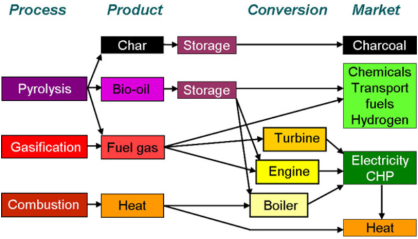
Syngas is typically a product of pyrolysis and gasification. It is a mixture of hydrogen, carbon monoxide, and other hydrocarbons. Syngas can be combusted to generate heat and electricity (e.g. provide power for a biomass gasification reactor when burned directly in internal combustion engines) . Syngas can also be processed into biofuels, which is a source of fuel for transport sector .
(ii). Biofuels
Biofuels are made from biomass via pyrolysis. Biofuels include liquid fuels, such as bioethanol, bio-methanol, biodiesel, and gaseous fuels, such as hydrogen and methane. Biofuels provide a promising pathway to reduce dependence on fossil fuels for both energy production and industrial feedstocks. In the agricultural sector, significant potential exists to expand biofuel production using CRs generated on farms. The selection of suitable feedstock is critical for achieving high conversion efficiency and fuel yield. Residues with a high cellulose and hemicellulose content are particularly desirable, as these polysaccharides serve as the primary precursors for biofuel synthesis. In addition, CRs with low moisture content are preferred because they lower drying costs and improve the energy efficiency and quality of the resulting fuel . Biofuels are primarily used to power vehicles but can also be used in engines or fuel cells for electricity generation. They do not produce the same emissions associated with fossil fuels. Two major biomass-based liquid transportation fuels, bioethanol and biodiesel, have the potential to replace gasoline and diesel, respectively. It is generally assumed that biodiesel serves as a substitute for fossil diesel, while bioethanol is used as a replacement for gasoline . The advantages of biofuels are as follows: First, they are renewable fuels that can be sustainably developed in the future. Second, they exhibit strong environmental benefits, resulting in no net carbon dioxide emissions and very low sulfur content. Third, they possess significant economic potential, particularly if fossil fuel prices rise in the future .
(iii). Biochar
Biochar, a carbon-rich solid byproduct of the pyrolysis process, has significant value in agricultural applications. As a stable form of charcoal, biochar can enhance soil quality by improving its water and nutrient retention capacity. When incorporated into the soil, it acts as a sorbent, reducing nutrient leaching and minimizing the loss of fertilizers and pesticides to the surrounding environment . Biochar is also an excellent carbon sink. It can continue to absorb carbon and form large underground stores of sequestered carbon that can lead to negative carbon emissions and healthier soil . Finer biochar is usually produced during the fast pyrolysis process, whereas the use of larger particle-sized feedstock in slow pyrolysis results in a coarser biochar. CRs tend to yield more fragile-structured biochar, while woody biomass produces coarser biochar .
Figure 4. Applications of Biomass Thermochemical Conversion Processes. Applications of Biomass Thermochemical Conversion Processes.
3.2. Biochemical Conversion Technologies
The biochemical conversion of CR biomass involves the use of microorganisms to break down the biomass into gaseous or liquid fuels, which can then be used for the production of energy and fertilizer. The most widely applied biochemical technology is anaerobic digestion (AD).
3.2.1. Anaerobic Digestion
AD is a biological process in which microorganisms decompose organic waste or residues in the absence of oxygen. Almost any organic material can be treated through AD. This process is highly efficient, capable of degrading up to 80% of the cellulose, the primary constituent of CRs . Moreover, AD helps reduce the direct emission of GHGs into the atmosphere and produces nutrient-rich digestate that enhances soil fertility and water-holding capacity . In Germany, more than 50% of biogas production comes from energy crops processed in approximately 700 AD plants . Drawing on Germany’s experience, AD of CRs could become a sustainable option in developing countries if appropriate strategies are implemented.
3.2.2. Biochemical Products
(i). Biogas
Biogas is produced by AD and is an environment friendly, clean, cheap and versatile fuel . It consists primarily of methane and carbon dioxide, along with small amounts of other gases such as hydrogen sulfide. It can be utilized in various forms, either in its raw state or after upgrading, for multiple applications, including: (1) the production of heat and steam; (2) electricity generation through combined heat and power systems; (3) use as an upgraded vehicle fuel ; (4) the production of chemicals and proteins ; and (5) upgrading and injection into natural gas grids .
The utilization of biogas offers several distinct advantages. It can be produced on demand and easily stored. For instance, an AD container with a capacity of 6-8 m3 is sufficient to supply energy to small households in the region . Compared with the traditional use of CRs, methane generation significantly improves the carbon use efficiency of CRs while providing clean energy for household consumption. Relative to the direct burning of CRs for cooking and heating, methane generation can increase heat energy availability from approximately 10% to over 60% . Furthermore, upgraded biogas can be distributed through existing natural gas infrastructure and used in similar applications. Injecting biomethane into natural gas grids also expands opportunities for transporting and utilizing biogas in major energy-consuming areas with high population densities.
Biogas can also replace fossil fuels in the transport sector . A notable example of biogas upgrading and its use as vehicle fuel can be found in Sweden, where the market for biogas utilization has expanded rapidly over the past decade .
(ii). Digestate
Digestate is the material remaining after the AD. The primary use of digestate is as a soil conditioner and as a fertilizer. As to fertilizer properties, Digestate has excellent fertilizing properties because of its high nutrient content, nitrogen, phosphorus, and potassium. It appears to be a very good candidate to replace inorganic fertilizers, also contributing to the short-term soil organic matter turnover. The analysis showed an increase in macro-elements content in plants where digestate is used .
Table 1. Comparison of Major Crop-Residue Conversion Technologies. Comparison of Major Crop-Residue Conversion Technologies. Comparison of Major Crop-Residue Conversion Technologies.

Conversion pathway

Process description

Typical energy efficiency

Primary products

Estimated GHG reduction vs. fossil fuels

Pyrolysis

Thermochemical decomposition of biomass in limited oxygen (400-700°C)

60-70% (fast pyrolysis)

Bio-oil, biochar, syngas

60-85% reduction

Gasification

Partial oxidation of biomass at high temperature (> 800°C)

70-80% (depending on oxidant and reactor design)

Syngas (H₂, CO, CH₄), heat, char

50-75% reduction

Anaerobic digestion

Microbial degradation of organic matter in the absence of oxygen

60-65% conversion of organics

Biogas (CH₄ + CO₂), digestate

40-70% reduction

Notes: Conversion efficiency and GHG-reduction values are indicative ranges compiled from life-cycle assessment and techno-economic studies .
3.3. Environmental Impact Assessment
3.3.1. Life Cycle Assessment Methodology
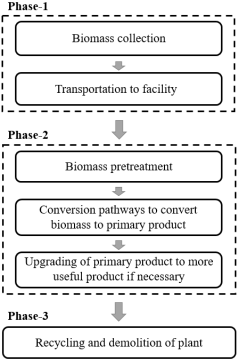
In order to better promote the cleaner and more efficient utilization practice of CRs, it is important to estimate GHG emissions from the conversion processes. LCA is a tool used for evaluating the potential environmental impacts of a product or service throughout its entire life cycle, from raw material extraction to end-of-life . LCA offers a comprehensive framework for evaluating the environmental performance of production systems, identifying the stages that contribute most significantly to overall impacts. This holistic approach provides essential insights for stakeholders and policymakers, supporting evidence-based decision-making in sustainable resource management . The general LCA framework for converting CRs into various end products typically consists of three main phases, as illustrated in Figure 5. [40].
Figure 5. Generalized System Boundary for a Life Cycle Assessment. Generalized System Boundary for a Life Cycle Assessment.
3.3.2. Assessment Results
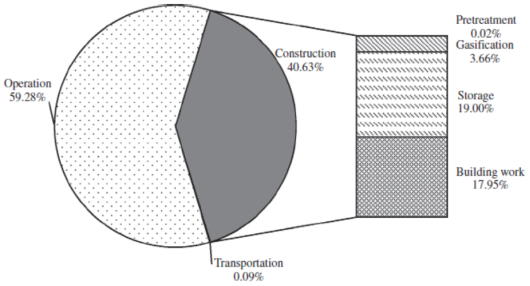
GHG emissions of the conversion process are highly dependent on specific management practices and operating conditions, thus vary with sites . However, significant environmental benefits can be obtained by using CRs to produce energy and other bio-products: (1) carbon dioxide, sulfur dioxide, and ash production from gasification and pyrolysis system will be typically being far lower than using fossil fuels and traditional use of CRs ; (2) In the case of biomass conversion, the carbon dioxide released during processing originates from carbon previously absorbed from the atmosphere through photosynthesis. As a result, this process helps maintain a near-equilibrium level of atmospheric carbon dioxide, in contrast to fossil fuel combustion, which releases carbon that has been sequestered underground for millions of years, thereby increasing net atmospheric carbon dioxide concentrations ; (3) The alkaline ash from CR biomass captures some of the carbon dioxide and sulfur dioxide produced during conversion process . The estimation result of a CR gasification system in China shows that it has a high net global warming mitigation benefit. The global warming impact per energy output is calculated to be 66.97 g carbon dioxide equivalent/MJ under dynamic LCA, indicating the considerable potential of CR gasification to mitigate global warming impacts. Over the project’s lifetime, the main sources of greenhouse gas emissions in a CR gasification system arise during the construction and operation phases, primarily due to the consumption of crop residues, electricity, and steel .
Source:

Download: Download full-size image

Figure 6. Proportions of Greenhouse Gas Emissions at Different Stages. Proportions of Greenhouse Gas Emissions at Different Stages.
Another study focusing on biofuel production from two types of CRs, corn stover and wheat straw, shows that utilizing CRs can substantially reduce GHG emissions and fossil energy demand. The LCA conducted in this research demonstrates that significant environmental benefits are achieved when biofuel systems are compared with fossil fuel reference systems. Specifically, GHG emissions are reduced by approximately 50%, while non-renewable energy savings exceed 80%. Both biofuel systems exhibit lower total GHG emissions than their fossil counterparts, 137 versus 296 kilotons of carbon dioxide equivalent per year for corn stover, and 130 versus 255 kilotons of carbon dioxide equivalent per year for wheat straw .
Currently, 2.7 billion people worldwide depend on traditional biomass for cooking and heating, while 84% of them belonged to rural communities . Combined heat and power, efficient utilization of CRs in rural areas can help promote energy access and sustainable development, along with reduced GHG emissions. It is estimated that the annual CR energy potential has been reported to be 49 EJ in 2050 . This means that, increasing utilization of CR biomass energy could play a significant role in low carbon agriculture development and climate change mitigation.
4. Benefits and Challenges of Sustainable Crop Residue Management
4.1. Benefits
The initial energy of CR comes from the sun, thus it is a clean, renewable and carbon neutral energy source. Compared to fossil fuels, CR biomass has negligible sulfur content and, therefore, do not contribute to sulfur dioxide emissions that cause acid rain. Furthermore, biomass combustion generates relatively little ash, and the ash that is produced can be recycled as a soil amendment, returning minerals and nutrients to agricultural fields . In addition, global oil reserves are projected to be largely depleted by around 2050, underscoring the urgency of developing sustainable and renewable energy alternatives. Increased use of CR biomass energy would extend the lifetime of diminishing crude oil supplies. Furthermore, since the use of CR biomass energy emits less GHG, it has the potential to reduce some extreme natural calamities such as excessive rainfall and consequent floods, droughts and local imbalances caused by climate change.
Crops can regrow in a relatively short amount of time, so that CRs are consistently available if managed sustainably. In addition, unlike other renewable energy sources, such as wind or solar, CR biomass energy is stored within the organisms, and thus can be harvested whenever it is needed.
Efficient CR management can be economically beneficial, e.g., raising and diversifying farm incomes and increasing rural employment through the production of biomass energy and bio-products for domestic or export markets .
4.2. Challenges
While CR production is substantial, only a fraction can be sustainably collected for energy generation or bio-product manufacturing. CRs play a crucial role in maintaining soil health by controlling erosion, preserving soil organic carbon, and supporting nutrient cycling. Excessive removal can therefore degrade soil fertility and long-term productivity. However, research indicates that when harvest rates and management practices are optimized to local crop types, soil conditions, and farming systems, a balance can be achieved, allowing partial residue removal for energy use without compromising soil quality . Moreover, even when residues are left uncollected, most of the carbon they contain eventually returns to the atmosphere through decomposition . Hence, from a life-cycle perspective, using CRs for bioenergy in a controlled and sustainable manner can achieve a net reduction in GHG emissions compared with open burning or unmanaged decay .
In practice, however, the implementation of these technical options faces several real-world constraints. In SSA, for instance, limited public awareness, low education levels, and weak institutional capacity continue to hinder the adoption of modern renewable energy technologies. Although several national policies promote bioenergy development, political instability, inadequate infrastructure, and weak supply chains have impeded large-scale deployment . These socio-economic barriers underscore the need for integrated approaches that combine technological innovation with community engagement, education, and institutional reform.
From a technological standpoint, the conversion efficiency of CR-based energy systems still lags behind that of conventional fossil fuels, primarily due to the inherent physical and chemical limitations of biomass feedstocks. CRs typically exhibit high moisture content (15-40%), low bulk density (80-150 kg/m3), and heterogeneous composition, which collectively lower combustion efficiency, increase transportation costs, and complicate storage and preprocessing. Moreover, residues are often spatially dispersed across smallholder farms, resulting in fragmented collection systems and high logistics costs that reduce the economic viability of large-scale operations.
Recent technological developments have attempted to overcome these constraints. Densification techniques, such as palletization and briquetting, have shown considerable promise in improving the energy density of CRs by three- to fivefold, from approximately 8-10 GJ/m3 for loose biomass to over 20-25 GJ/m3 for densified forms . These processes also enhance handling, storage stability, and combustion uniformity, making residues more compatible with existing boiler and co-firing systems. Additionally, torrefaction, a mild thermal treatment at 200-300°C, can further reduce moisture content, improve grindability, and create a hydrophobic product with higher calorific value and better shelf life, effectively bridging the performance gap between biomass and coal in energy applications.
However, scaling up these technologies remains challenging. Densification and torrefaction facilities require stable feedstock supply chains, electricity access, and capital-intensive processing units, which are often lacking in rural or developing contexts. To ensure economic feasibility, supportive policy instruments, such as feed-in tariffs, tax credits, low-interest financing, and investment in rural logistics infrastructure, are essential. Moreover, public-private partnerships and pilot demonstration projects can help adapt these technologies to local contexts, build technical expertise, and establish market confidence. Integrating these technological advances with coordinated supply-chain management and institutional support will be crucial for mainstreaming CR-based bioenergy systems in developing economies.
4.3. Recommended Policies
Energy is a fundamental driver of economic growth and social development. Accordingly, energy policies form an essential component of the broader institutional framework that shapes national competitiveness, environmental sustainability, and private-sector engagement. Renewable, crop-residue-based energy sources are domestically available and can therefore reduce dependence on imported fossil fuels while enhancing energy security. However, the successful integration of CR-based bioenergy into national energy systems depends critically on policy coherence, institutional capacity, and market incentives, which remain uneven across regions.
Existing studies emphasize that effective policy support is a key determinant of successful biomass utilization. For instance, the European Union’s Renewable Energy Directive and China’s Renewable Energy Law have both stimulated investment in bioenergy technologies through feed-in tariffs and subsidies. In contrast, developing countries often face policy fragmentation, weak enforcement, and insufficient coordination between agricultural, energy, and environmental agencies. As a result, many CR utilization initiatives remain small-scale or pilot-level, lacking integration with broader rural energy strategies.
Despite these challenges, CR biomass energy holds substantial potential for inclusive economic development, especially in rural and oil-importing regions. Well-designed CR energy programs can generate co-benefits such as rural employment, electrification, soil conservation, and improved air quality. Empirical evidence suggests that decentralized bioenergy projects, when linked with local cooperatives and microfinance schemes, can significantly enhance community resilience and income diversification .
To fully realize the potential of CR-based energy, a multidimensional policy framework is required. Governments should integrate CR management into their nationally determined contributions and rural development plans, explicitly linking clean energy goals with climate adaptation and food security objectives. Strengthening agri-food value chains can amplify the spillover benefits of renewable energy in rural economies. At the same time, targeted incentives, such as tax credits, low-interest loans, and carbon pricing mechanisms, are necessary to attract private investment and scale up technology adoption.
Another persistent barrier highlighted in the literature is limited awareness and information asymmetry among farmers and local stakeholders. Misinformation about costs, maintenance, and performance often discourages participation in cleaner energy programs. Therefore, public awareness campaigns and capacity-building initiatives should form a core component of policy design. Finally, access to credit and risk-sharing mechanisms must be expanded to support early-stage investments in CR-based projects, particularly in smallholder-dominated economies.
Overall, the literature suggests that while substantial progress has been made in policy development for biomass energy in industrialized countries, developing nations still require integrated, well-coordinated, and context-specific policy instruments. Future policy efforts should move beyond technology promotion to address governance, financing, and institutional barriers, ensuring that crop residue management becomes a central pillar of sustainable energy transitions.
5. Conclusion
The sustainable management of CRs presents a promising pathway toward achieving low-carbon agricultural development and mitigating climate change. Traditional practices such as open-field burning and inefficient household combustion continue to release substantial GHGs while wasting valuable biomass resources. In contrast, advanced thermochemical and biochemical conversion technologies, such as pyrolysis, gasification, and anaerobic digestion, offer viable alternatives for transforming CRs into renewable energy, biofuels, and soil-enhancing byproducts like biochar and digestate. These innovations not only offset fossil fuel dependence but also contribute to soil fertility, energy security, and rural livelihoods.
LCAs consistently demonstrate that the substitution of fossil fuels with CR-derived energy can reduce greenhouse gas emissions by up to 50%, while increasing non-renewable energy savings beyond 80%. However, realizing this potential requires overcoming challenges related to technological efficiency, residue collection logistics, soil carbon balance, and the lack of awareness and financial support in developing regions.
Integrating sustainable CR management into national energy and agricultural policies could simultaneously support countries’ climate commitments, enhance food and energy resilience, and promote inclusive rural development. Future policy efforts should prioritize technological innovation, capacity building, and investment incentives for clean CR utilization. With coordinated global and local action, CRs, once treated as waste, can become a cornerstone of a circular bioeconomy that sustains productivity, reduces emissions, and advances the Sustainable Development Goals.
Abbreviations

GHG

Greenhouse Gas

CR

Crop Residue

MT

Million Ton

SSA

Sub-Saharan Africa

LCA

Life Cycle Assessment

AD

Anaerobic Digestion

Author Contributions
Zekun Ma: Conceptualization, Methodology, Data curation, Writing – original draft
Mingzhou Shen: Project administration, Validation, Writing – review & editing
Conflicts of Interest
The authors declare no conflicts of interest.
References
[1] Bain, R. L., Overend, R. P. and Craig, K. R., 1998. Biomass-fired power generation. Fuel processing technology, 54(1-3), pp. 1-16.
[2] Born, J. (2005). From sugar factories to biorefineries. Baltic Biorefinery Symposium, 23-32.
[3] Cadenas, A. and Cabezudo, S., 1998. Biofuels as sustainable technologies: perspectives for less developed countries. Technological Forecasting and Social Change, 58(1-2), pp. 83-103.
[4] Cao, Y., Gao, Y., Qi, Y. and Li, J., 2018. Biochar-enhanced composts reduce the potential leaching of nutrients and heavy metals and suppress plant-parasitic nematodes in excessively fertilized cucumber soils. Environmental Science and Pollution Research, 25(8), pp. 7589-7599.
[5] Cherubini, F. and Ulgiati, S., 2010. Crop residues as raw materials for biorefinery systems-A LCA case study. Applied Energy, 87(1), pp. 47-57.
[6] Creutzig, F., Ravindranath, N. H., Berndes, G., Bolwig, S., Bright, R., Cherubini, F., Chum, H., Corbera, E., Delucchi, M., Faaij, A. and Fargione, J., 2015. Bioenergy and climate change mitigation: an assessment. Gcb Bioenergy, 7(5), pp. 916-944.
[7] Davis, S. C., Parton, W. J., Grosso, S. J. D., Keough, C., Marx, E., Adler, P. R. and DeLucia, E. H., 2012. Impact of second‐generation biofuel agriculture on greenhouse‐gas emissions in the corn‐growing regions of the US. Frontiers in Ecology and the Environment, 10(2), pp. 69-74.
[8] Demirbas, A., 2005. Potential applications of renewable energy sources, biomass combustion problems in boiler power systems and combustion related environmental issues. Progress in energy and combustion science, 31(2), pp. 171-192.
[9] Demirbas, A., 2008. Biofuels sources, biofuel policy, biofuel economy and global biofuel projections. Energy conversion and management, 49(8), pp. 2106-2116.
[10] FAO. 2014a. Agriculture, Forestry and Other Land Use Emissions by Sources and Removals by Sinks.
[11] FAO. 2014b. Greenhouse Gas Emissions from Agriculture, Forestry and Other Land Use.
[12] FAO. 2017. Emissions by Sector: Other Sources - Emissions.
[13] FAO. 2019. Global Livestock Environmental Assessment Model (GLEAM). Retrieved from
[14] Gadde, B., Bonnet, S., Menke, C. and Garivait, S., 2009. Air pollutant emissions from rice straw open field burning in India, Thailand and the Philippines. Environmental Pollution, 157(5), pp. 1554-1558.
[15] Gera, D., Mathur, M. P., Freeman, M. C. and Robinson, A., 2002. Effect of large aspect ratio of biomass particles on carbon burnout in a utility boiler. Energy & fuels, 16(6), pp. 1523-1532.
[16] Gohin, A., 2008. Impacts of the European biofuel policy on the farm sector: A general equilibrium assessment. Applied Economic Perspectives and Policy, 30(4), pp. 623-641.
[17] Goren-Inbar, N., Alperson, N., Kislev, M. E., Simchoni, O., Melamed, Y., Ben-Nun, A. and Werker, E., 2004. Evidence of hominin control of fire at Gesher Benot Yaaqov, Israel. Science, 304(5671), pp. 725-727.
[18] Gregg, J. S. and Smith, S. J., 2010. Global and regional potential for bioenergy from agricultural and forestry residue biomass. Mitigation and Adaptation Strategies for Global Change, 15(3), pp. 241-262.
[19] Haberl, H., Beringer, T., Bhattacharya, S. C., Erb, K. H. and Hoogwijk, M., 2010. The global technical potential of bio-energy in 2050 considering sustainability constraints. Current Opinion in Environmental Sustainability, 2(5-6), pp. 394-403.
[20] Hiloidhari, M., Das, D. and Baruah, D. C., 2014. Bioenergy potential from crop residue biomass in India. Renewable and sustainable energy reviews, 32, pp. 504-512.
[21] Holm-Nielsen, J. B., Al Seadi, T. and Oleskowicz-Popiel, P., 2009. The future of anaerobic digestion and biogas utilization. Bioresource technology, 100(22), pp. 5478-5484.
[22] Huggins, D. R., Allmaras, R. R., Clapp, C. E., Lamb, J. A. and Randall, G. W., 2007. Corn‐soybean sequence and tillage effects on soil carbon dynamics and storage. Soil Science Society of America Journal, 71(1), pp. 145-154.
[23] Jain, N., Bhatia, A. and Pathak, H., 2014. Emission of air pollutants from crop residue burning in India. Aerosol and Air Quality Research, 14(1), pp. 422-430.
[24] Jiang, D., Zhuang, D., Fu, J., Huang, Y. and Wen, K., 2012. Bioenergy potential from crop residues in China: Availability and distribution. Renewable and sustainable energy reviews, 16(3), pp. 1377-1382.
[25] Kantarelis, E. and Zabaniotou, A., 2009. Valorization of cotton stalks by fast pyrolysis and fixed bed air gasification for syngas production as precursor of second generation biofuels and sustainable agriculture. Bioresource technology, 100(2), pp. 942-947.
[26] Kapdi, S. S., Vijay, V. K., Rajesh, S. K. and Prasad, R., 2005. Biogas scrubbing, compression and storage: perspective and prospectus in Indian context. Renewable energy, 30(8), pp. 1195-1202.
[27] Kim, S. and Dale, B. E., 2004. Global potential bioethanol production from wasted crops and crop residues. Biomass and bioenergy, 26(4), pp. 361-375.
[28] Koopmans, A., 2005. Biomass energy demand and supply for South and South-East Asia--assessing the resource base. Biomass and Bioenergy, 28(2), pp. 133-150.
[29] Kristensson, I., 2007. Biogas gasnätet utan propantillsats. Rapport SGC 176.
[30] Li, Y., Park, S. Y. and Zhu, J., 2011. Solid-state anaerobic digestion for methane production from organic waste. Renewable and sustainable energy reviews, 15(1), pp. 821-826.
[31] Liu, H., Jiang, G. M., Zhuang, H. Y. and Wang, K. J., 2008. Distribution, utilization structure and potential of biomass resources in rural China: With special references of crop residues. Renewable and sustainable energy reviews, 12(5), pp. 1402-1418.
[32] Liu, X., Bayard, R., Benbelkacem, H., Buffière, P. and Gourdon, R., 2015. Evaluation of the correlations between biodegradability of lignocellulosic feedstocks in anaerobic digestion process and their biochemical characteristics. Biomass and Bioenergy, 81, pp. 534-543.
[33] Mohammed, Y. S., Mustafa, M. W. and Bashir, N., 2013. Status of renewable energy consumption and developmental challenges in Sub-Sahara Africa. Renewable and Sustainable Energy Reviews, 27, pp. 453-463.
[34] Munasinghe, P. C. and Khanal, S. K., 2010. Biomass-derived syngas fermentation into biofuels: opportunities and challenges. Bioresource technology, 101(13), pp. 5013-5022.
[35] National Geographic., 2012. Biomass Energy.
[36] Ni, H., Han, Y., Cao, J., Chen, L. W. A., Tian, J., Wang, X., Chow, J. C., Watson, J. G., Wang, Q., Wang, P. and Li, H., 2015. Emission characteristics of carbonaceous particles and trace gases from open burning of crop residues in China. Atmospheric Environment, 123, pp. 399-406.
[37] Nussbaumer, T., 2003. Combustion and co-combustion of biomass: fundamentals, technologies, and primary measures for emission reduction. Energy & fuels, 17(6), pp. 1510-1521.
[38] Obi, F. O., Ugwuishiwu, B. O. and Nwakaire, J. N., 2016. Agricultural waste concept, generation, utilization and management. Nigerian Journal of Technology, 35(4), pp. 957-964.
[39] Özçimen, D. and Karaosmanoğlu, F., 2004. Production and characterization of bio-oil and biochar from rapeseed cake. Renewable energy, 29(5), pp. 779-787.
[40] Patel, M., Zhang, X. and Kumar, A., 2016. Techno-economic and life cycle assessment on lignocellulosic biomass thermochemical conversion technologies: A review. Renewable and Sustainable Energy Reviews, 53, pp. 1486-1499.
[41] Pathak, H., Mohanty, S., Jain, N. and Bhatia, A., 2010. Nitrogen, phosphorus, and potassium budgets in Indian agriculture. Nutrient Cycling in Agroecosystems, 86(3), pp. 287-299.
[42] Paustian, L., Babcock, B., Hatfield, J. L., Lal, R., McCarl, B. A., McLaughlin, S., Mosier, A., Rice, C., Robertson, G., & Rosenberg, N., 2001. Agricultural mitigation of greenhouse gases: Science and policy options. Proceedings of the First National Conference on Carbon Sequestration, Washington, DC.
[43] Persson, M., Jönsson, O., & Wellinger, A., 2006. Biogas upgrading to vehicle fuel standards and grid injection. IEA Bioenergy Task Report, 1-34.
[44] Ress, B. B., Calvert, P. P., Pettigrew, C. A. and Barlaz, M. A., 1998. Testing anaerobic biodegradability of polymers in a laboratory-scale simulated landfill. Environmental science & technology, 32(6), pp. 821-827.
[45] Roberts, K. G., Gloy, B. A., Joseph, S., Scott, N. R. and Lehmann, J., 2010. Life cycle assessment of biochar systems: estimating the energetic, economic, and climate change potential. Environmental science & technology, 44(2), pp. 827-833.
[46] Sahai, S., Sharma, C., Singh, S. K. and Gupta, P. K., 2011. Assessment of trace gases, carbon and nitrogen emissions from field burning of agricultural residues in India. Nutrient Cycling in Agroecosystems, 89(2), pp. 143-157.
[47] Saxena, R. C., Adhikari, D. K. and Goyal, H. B., 2009. Biomass-based energy fuel through biochemical routes: A review. Renewable and sustainable energy reviews, 13(1), pp. 167-178.
[48] Scarlat, N., Martinov, M. and Dallemand, J. F., 2010. Assessment of the availability of agricultural crop residues in the European Union: Potential and limitations for bioenergy use. Waste management, 30(10), pp. 1889-1897.
[49] Schneider, U. A. and McCarl, B. A., 2003. Economic potential of biomass-based fuels for greenhouse gas emission mitigation. Environmental and resource economics, 24(4), pp. 291-312.
[50] Senghor, A., Dioh, R. M. N., Müller, C. and Youm, I., 2017. Cereal crops for biogas production: a review of possible impact of elevated CO2. Renewable and Sustainable Energy Reviews, 71, pp. 548-554.
[51] Sohi, S., Lopez-Capel, E., Krull, E. and Bol, R., 2009. Biochar, climate change and soil: A review to guide future research. CSIRO land and water science report, 5(09), pp. 17-31.
[52] Streets, D. G., Yarber, K. F., Woo, J. H. and Carmichael, G. R., 2003. Biomass burning in Asia: Annual and seasonal estimates and atmospheric emissions. Global Biogeochemical Cycles, 17(4).
[53] Tambone, F., Scaglia, B., D’Imporzano, G., Schievano, A., Orzi, V., Salati, S. and Adani, F., 2010. Assessing amendment and fertilizing properties of digestates from anaerobic digestion through a comparative study with digested sludge and compost. Chemosphere, 81(5), pp. 577-583.
[54] Wicke, B., Smeets, E., Tabeau, A., Hilbert, J. and Faaij, A., 2009. Macroeconomic impacts of bioenergy production on surplus agricultural land—A case study of Argentina. Renewable and Sustainable Energy Reviews, 13(9), pp. 2463-2473.
[55] Winsley, P., 2007. Biochar and bioenergy production for climate change mitigation. New Zealand Science Review, 64(1), pp. 5-10.
[56] Yang, J. and Chen, B., 2014. Global warming impact assessment of a crop residue gasification project—a dynamic LCA perspective. Applied Energy, 122, pp. 269-279.
[57] Yevich, R. and Logan, J. A., 2003. An assessment of biofuel use and burning of agricultural waste in the developing world. Global biogeochemical cycles, 17(4).
[58] Zaman, C. Z., Pal, K., Yehye, W. A., Sagadevan, S., Shah, S. T., Adebisi, G. A., Marliana, E. and Rafique, R. F., 2017. Pyrolysis: A sustainable way to generate energy. Pyrolysis, p. 1.
[59] Zhang, Q., Yang, Z. and Wu, W., 2008. Role of crop residue management in sustainable agricultural development in the North China Plain. Journal of Sustainable Agriculture, 32(1), pp. 137-148.
[60] Zhang, J., Li, J., Dong, C., Zhang, X., Rentizelas, A. and Shen, D., 2021. Comprehensive assessment of sustainable potential of agricultural residues for bioenergy based on geographical information system: A case study of China. Renewable Energy, 173, pp. 466-478.
[61] Gatkal, N. R., Nalawade, S. M., Sahni, R. K., Walunj, A. A., Kadam, P. B., Bhanage, G. B. and Datta, R., 2024. Present trends, sustainable strategies and energy potentials of crop residue management in India: A review. Heliyon, 10(21).
[62] Zhang, J., Chen, M., & Li, Y., 2023. Greenhouse gas reduction through crop-residue-based bioenergy pathways: A life-cycle assessment approach. Energy, 272, 130327.
[63] Prateep Na Talang, R., Na Sorn, W., Polruang, S. and Sirivithayapakorn, S., 2024. Alternative crop residue management practices to mitigate the environmental and economic impacts of open burning of agricultural residues. Scientific Reports, 14(1), p. 14372.
[64] Shen, M., Fisher-Vanden, K. and Wrenn, D. H., 2025. Impacts of Water-Related Building Moratoria on California’s Housing Crisis. Land Economics, 101(1), pp. 53-70.
[65] Yi, N., Shen, M., Erdely, D. and Cheng, H., 2020. Stretchable gas sensors for detecting biomarkers from humans and exposed environments. TrAC Trends in Analytical Chemistry, 133, p. 116085.
Cite This Article
  • APA Style

    Ma, Z., Shen, M. (2025). Crop Residues Management for Sustainable Agriculture and Climate Change Mitigation. American Journal of Environmental and Resource Economics, 10(4), 137-148. https://doi.org/10.11648/j.ajere.20251004.13

    Copy | Download

    ACS Style

    Ma, Z.; Shen, M. Crop Residues Management for Sustainable Agriculture and Climate Change Mitigation. Am. J. Environ. Resour. Econ. 2025, 10(4), 137-148. doi: 10.11648/j.ajere.20251004.13

    Copy | Download

    AMA Style

    Ma Z, Shen M. Crop Residues Management for Sustainable Agriculture and Climate Change Mitigation. Am J Environ Resour Econ. 2025;10(4):137-148. doi: 10.11648/j.ajere.20251004.13

    Copy | Download

  • @article{10.11648/j.ajere.20251004.13,
      author = {Zekun Ma and Mingzhou Shen},
      title = {Crop Residues Management for Sustainable Agriculture and Climate Change Mitigation},
      journal = {American Journal of Environmental and Resource Economics},
      volume = {10},
      number = {4},
      pages = {137-148},
      doi = {10.11648/j.ajere.20251004.13},
      url = {https://doi.org/10.11648/j.ajere.20251004.13},
      eprint = {https://article.sciencepublishinggroup.com/pdf/10.11648.j.ajere.20251004.13},
      abstract = {Agriculture contributes significantly to global greenhouse gas emissions, accounting for roughly one-eighth of total anthropogenic emissions. A major yet underutilized resource within this sector is crop residues, biomass byproducts often discarded or burned in open fields. Such practices release large amounts of carbon dioxide, methane, and nitrous oxide, degrade soil quality, and exacerbate air pollution. Conversely, sustainable crop residue management presents a critical opportunity for renewable energy generation, greenhouse gas mitigation, and rural development. This review article synthesizes existing research on the current patterns, technologies, and policy frameworks of crop residue management, with a particular focus on developing countries. It highlights the persistence of inefficient traditional practices such as open-field burning and low-efficiency household combustion, and evaluates cleaner and more efficient thermochemical (e.g., pyrolysis, gasification) and biochemical (e.g., anaerobic digestion) conversion pathways. These technologies can transform crop residues into a variety of valuable bio-products, including biofuels, syngas, biochar, biogas, and digestate, that simultaneously offset fossil fuel use and enhance soil fertility. Drawing on findings from life-cycle assessment studies, this review shows that substituting fossil fuels with crop-residue-derived energy can reduce greenhouse gas emissions by up to 50% and non-renewable energy demand by over 80%. The analysis underscores the dual benefits of crop residue utilization for climate change mitigation and sustainable rural energy access, while identifying persistent barriers such as technological inefficiency, collection logistics, soil carbon trade-offs, and inadequate policy and financial support. The review concludes that integrating sustainable crop residue management into national energy and agricultural strategies is essential for achieving low-carbon development and advancing the Sustainable Development Goals. Strengthened policy measures, promoting technological innovation, farmer education, and private-sector investment, are crucial to transforming crop residues from an environmental burden into a cornerstone of a circular bioeconomy that fosters energy security, soil restoration, and climate resilience.},
     year = {2025}
    }
    

    Copy | Download

  • TY  - JOUR
    T1  - Crop Residues Management for Sustainable Agriculture and Climate Change Mitigation
    AU  - Zekun Ma
    AU  - Mingzhou Shen
    Y1  - 2025/12/09
    PY  - 2025
    N1  - https://doi.org/10.11648/j.ajere.20251004.13
    DO  - 10.11648/j.ajere.20251004.13
    T2  - American Journal of Environmental and Resource Economics
    JF  - American Journal of Environmental and Resource Economics
    JO  - American Journal of Environmental and Resource Economics
    SP  - 137
    EP  - 148
    PB  - Science Publishing Group
    SN  - 2578-787X
    UR  - https://doi.org/10.11648/j.ajere.20251004.13
    AB  - Agriculture contributes significantly to global greenhouse gas emissions, accounting for roughly one-eighth of total anthropogenic emissions. A major yet underutilized resource within this sector is crop residues, biomass byproducts often discarded or burned in open fields. Such practices release large amounts of carbon dioxide, methane, and nitrous oxide, degrade soil quality, and exacerbate air pollution. Conversely, sustainable crop residue management presents a critical opportunity for renewable energy generation, greenhouse gas mitigation, and rural development. This review article synthesizes existing research on the current patterns, technologies, and policy frameworks of crop residue management, with a particular focus on developing countries. It highlights the persistence of inefficient traditional practices such as open-field burning and low-efficiency household combustion, and evaluates cleaner and more efficient thermochemical (e.g., pyrolysis, gasification) and biochemical (e.g., anaerobic digestion) conversion pathways. These technologies can transform crop residues into a variety of valuable bio-products, including biofuels, syngas, biochar, biogas, and digestate, that simultaneously offset fossil fuel use and enhance soil fertility. Drawing on findings from life-cycle assessment studies, this review shows that substituting fossil fuels with crop-residue-derived energy can reduce greenhouse gas emissions by up to 50% and non-renewable energy demand by over 80%. The analysis underscores the dual benefits of crop residue utilization for climate change mitigation and sustainable rural energy access, while identifying persistent barriers such as technological inefficiency, collection logistics, soil carbon trade-offs, and inadequate policy and financial support. The review concludes that integrating sustainable crop residue management into national energy and agricultural strategies is essential for achieving low-carbon development and advancing the Sustainable Development Goals. Strengthened policy measures, promoting technological innovation, farmer education, and private-sector investment, are crucial to transforming crop residues from an environmental burden into a cornerstone of a circular bioeconomy that fosters energy security, soil restoration, and climate resilience.
    VL  - 10
    IS  - 4
    ER  - 

    Copy | Download

Author Information
  • Ipsos MMA, New York City, USA

  • School of Public Affairs, Zhejiang University, Hangzhou, China
  • Table 1

    Table 1. Comparison of Major Crop-Residue Conversion Technologies. Comparison of Major Crop-Residue Conversion Technologies.